
By Gabriela Morgante
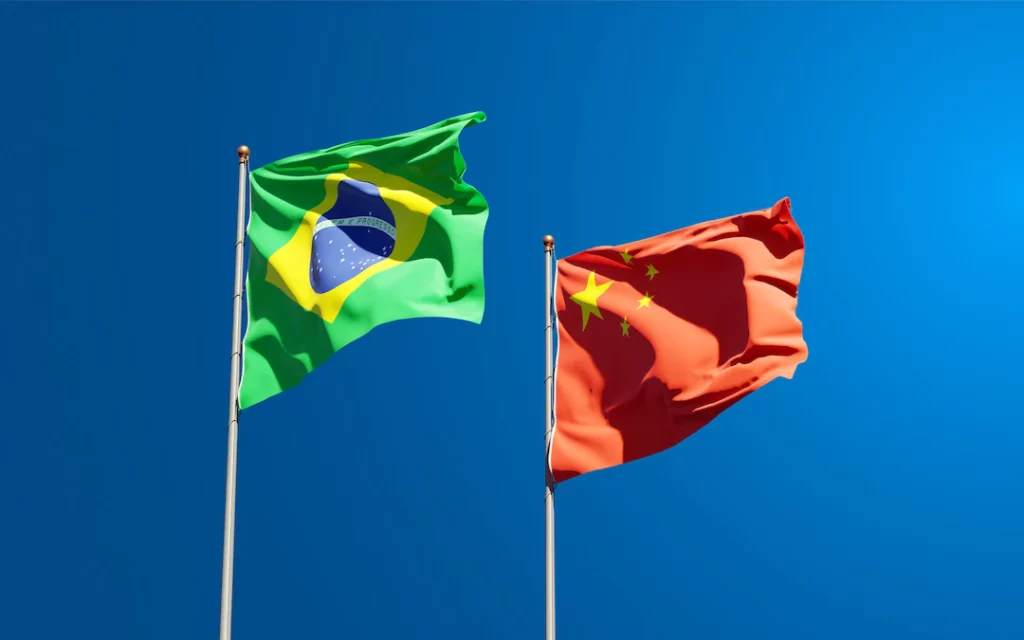
In recent years, China has solidified its position as Brazil’s main trading partner. In 2024, bilateral trade reached US$ 158 billion — a figure that not only impresses but also signals an ocean of untapped opportunities for those looking to go beyond commodities.
The good news? The Chinese consumer is changing. And this transformation is opening doors for Brazilian products with identity, flavor, and purpose.
China: A Giant in Transformation
With a population of 1.4 billion people and domestic consumption exceeding US$ 10 trillion, China is a market growing not only in size but also in sophistication. Urbanization and rising incomes are driving the emergence of a more conscious, demanding, and novelty-seeking consumer profile.
But there’s a strategic insight: the greatest opportunities aren’t just in megacities like Shanghai or Beijing. Second- and third-tier cities such as Chengdu, Foshan, Nanjing, and Xiamen are expanding rapidly in consumption and remain less saturated by foreign exporters.
What Do the Chinese Want? Health, Quality, and Origin
According to ApexBrasil reports and trade intelligence studies, the categories with the highest potential for entry and growth include:
- 100% Natural Juice (NFC): Highly accepted, driven by healthy habits. Brazilian orange juice is seen as a global quality benchmark.
- Coffee: A fast-growing café culture and daily consumption habit. In cities such as Chengdu, Nanjing, and Wuhan, Brazilian coffee enjoys positive recognition and growing prominence.
- Nuts: Consumers are seeking healthy snacks and plant-based protein sources. Brazil nuts, almonds, and innovative mixes are promising bets.
- Cheese: Gaining popularity, especially among young families with children. Preference leans toward imported and nutritious ingredients.
- Spirits and Wine: Cognac, whiskey, and sparkling wine are well received in cities like Foshan and Xiamen, where openness to international flavors is increasing.
- Packaged Biscuits and Cakes: Still a competitive segment, but with niche opportunities for healthy and innovative products.
Opportunities in Numbers
In 2024, Brazil was already China’s top supplier of soybeans, beef, poultry, pulp, cotton, and sugar. However, higher value-added products still account for only a small fraction of Brazilian exports. ApexBrasil has identified 392 specific commercial opportunities with high growth potential, including several food and beverage categories.
How to Enter This Market
Despite its potential, the Chinese market is challenging. It requires:
- Specific registration and labeling (such as the GB 7718-2011 standard);
- Compliance with sanitary regulations;
- Adaptation of packaging, flavors, and formats;
- Investment in digital marketing, social media, and brand building;
- Local partnerships or registered Chinese operators.
Fortunately, Brazil has robust institutional support, including:
- ApexBrasil offices in Shanghai, Beijing, and Shenzhen;
- Platforms like “Matchmaking On Demand”;
- Training programs specifically for exporting to China;
- Support from SECOMs and embassies in promotional activities such as “Brazilian Coffee Month” and participation in e-commerce platforms like JD.com.
What Does ‘Brasilidade’ Have to Offer?
More than tropical flavors, Brazilian products carry heritage, diversity, and sustainability. That is the essence of “brasilidade” — the Brazilian spirit that captivates: açaí that represents the Amazon, Brazil nuts harvested by extractive communities, gourmet coffee cultivated through regenerative practices.
The Chinese market values authenticity — and Brazil has that in abundance.
Conclusion: The World Is Ready to Consume Brazil
China is currently the main destination for Brazilian exports. In the coming years, it will also be the most competitive arena for global brands in the food and beverage sector. Data shows there is room for Brazil to grow with distinctive, innovative products that proudly express national identity.
Exporting to China is not simple — but it can be highly profitable for those who are prepared. The market signals are clear: there is a curious, demanding Chinese consumer ready to experience the flavor of Brazil.
If your company carries that DNA, the time is now.