
By Gabriela Morgante
In recent years, Brazil has shown remarkable performance on the international stage. Between 2020 and 2024, Brazilian exports grew by 65%, reaching a historic record of US$ 347 billion. With imports relatively under control, the country achieved a significant trade surplus, close to US$ 100 billion in 2023. This progress reinforces Brazil’s competitive potential but also raises an alert: global winds are shifting, and the country must prepare for the new challenges of international trade.
A World in Transformation: Protectionism and Slow Growth
The global environment has become more complex. The economic slowdown in major markets such as the United States, Europe, and China, combined with rising protectionism and trade barriers, directly impacts export performance. Regulatory measures, domestic subsidies, and geopolitical tensions have been reshaping the rules of the game, demanding attention and adaptation from Brazil.
The Weight of Commodities
Today, Brazil’s export agenda is highly concentrated in agribusiness and mineral commodities such as soybeans, oil, iron ore, and beef. While these products ensure revenue and global market presence, they leave Brazil vulnerable to price volatility, climate change, and external instabilities. This dependence hinders predictability and the long-term sustainability of growth.
National Industry: A Necessary Warning
The manufacturing industry has lost prominence in the Brazilian economy and, consequently, in exports. This prevents the country from seizing emerging opportunities, especially in high value-added sectors such as green technology, renewable energy, and industrial innovation. Without robust investments in innovation and reindustrialization, Brazil risks being left on the sidelines of global value chains.
Partnership with China: Strategic, But Risky
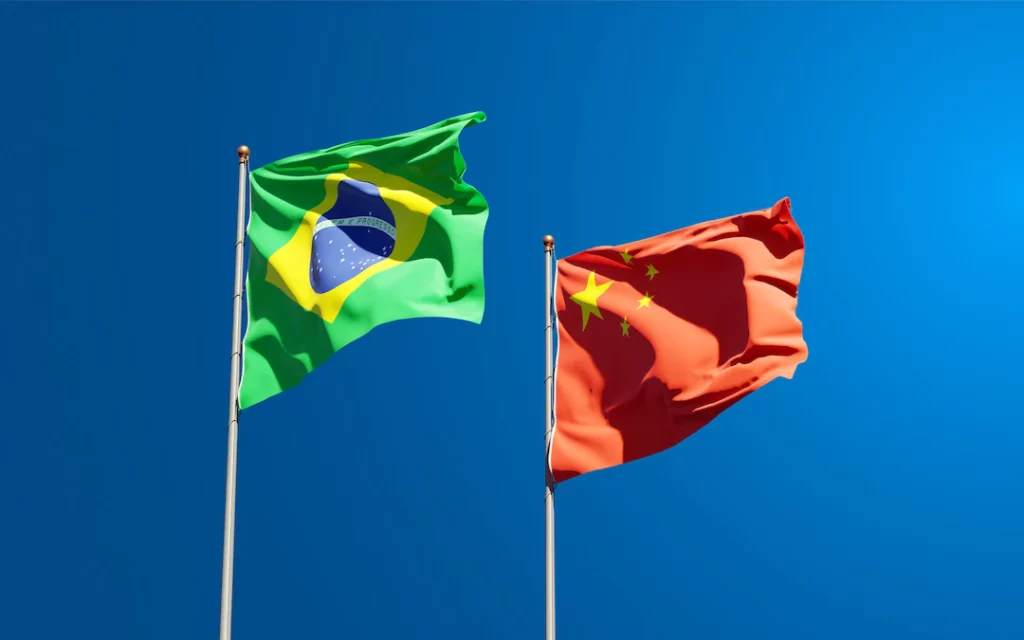
China has become the main destination for Brazilian exports, absorbing about 31% of everything the country sells abroad. Although this relationship presents opportunities, it also carries risks. Dependence on a single market — especially in a context of political and economic instability — means that Brazil must diversify its trade strategy.
What Does Brazil Need to Do?
To ensure that export growth is solid and sustainable, it is essential to act on two fronts:
- Innovation and Reindustrialization: Encourage strategic and high–value-added sectors such as clean energy, biotechnology, and information technology.
- Trade Diversification: Establish international agreements and expand operations into new markets in North America, Europe, Asia, and Africa, while strengthening regional integration in South America.
Exporting is more than just selling abroad — it’s about opening doors to innovation, growth, and global competitiveness. Brazil has great potential, but turning that potential into concrete results requires vision, strategy, and action. The time to build that future is now.